
Gum Disease Treatment Weatherford
Protect Your Oral & Overall Health
Gum disease. These two words can mean very serious trouble for your smile. After all, when your gums are unhealthy, it can lead to extensive damage and, eventually, tooth loss. Not only that, but the infection can spread to other parts of the body, influencing heart health and contributing to diabetes and other health problems. For that reason, we strongly recommend scheduling an appointment with our team at Cosmetic and Family Dentistry of Weatherford if you suspect that something may be wrong.
Why Choose Cosmetic & Family Dentistry of Weatherford for Gum Disease Treatment?
- Laser Therapy Used
- Sedation Dentistry Available
- Compassionate Dental Team
What is Gum Disease?

Gum disease isn't just one of the most common oral health problems – it's one of the most common diseases in general! It stems from a problem with plaque and biofilm, which is a sticky substance that develops in the mouth every day. When bacteria in plaque accumulate along the gumline, they can begin to irritate this soft tissue, resulting in everything from inflammation to sensitivity. If you notice these or any other warning signs of an infection, come and see the team at Cosmetic and Family Dentistry of Weatherford.
Symptoms of Gum Disease
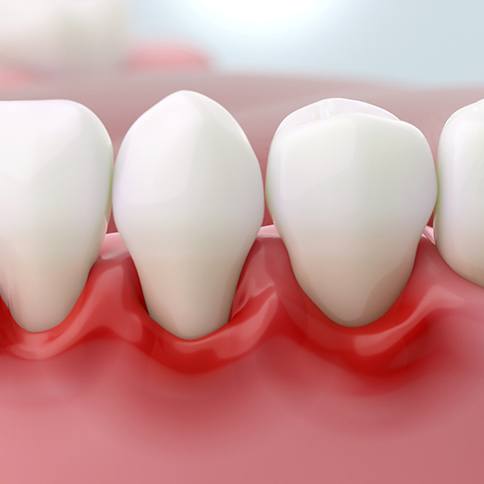
Many people have gum disease and don't realize it, usually because they don't recognize the symptoms. The first line of defense is regular dental checkups and cleanings, which give us the chance to prevent and diagnose gum disease in the early stages. You also need to keep an eye out for the following warning signs of trouble between visits:
- Swollen, sensitive, or inflamed gums
- Frequent bad breath
- Bleeding when you brush or floss
- Loose teeth
- A receding gum line
It’s also important that we mention here that advanced gum disease (periodontitis) is the leading cause of tooth loss among American adults. The disease not only devastates gum tissue but also weakens the bone structure that supports your teeth. In extreme cases, teeth may need to be extracted.
How Do We Treat Gum Disease?

If we determine that there is an active infection in your gums, then we will move on to the next step: determining which gum disease treatment is ideal. At our Weatherford office, we offer scaling and root planing as well as laser periodontal therapy. To learn more about them, read on!
Scaling & Root Planing

Although flossing more consistently at home can sometimes halt or even reverse the earliest stage of gum disease, gingivitis, if your condition has progressed too far already, then you may require professional treatment.
Scaling and root planning, a two-part deep cleaning, is the tried-and-true solution for treating gum disease to prevent its spread and reduce the risk of more serious complications, such as permanent tooth loss. Continue reading to learn more about the procedure so you know what to expect!
Do I Need Scaling & Root Planing?

Gingivitis, or early gum disease, doesn’t always exhibit noticeable symptoms until it progresses, so some patients don’t realize when they’ve developed an issue. Some indicators that you might have a problem can include:
- Bleeding or oozing when you brush or floss
- Increased sensitivity
- Discomfort when biting down
- Darker red tissues
- Swelling or inflammation
Our team will examine your teeth and gums to determine the severity of your condition and recommend an appropriate treatment plan.
The Process of Scaling & Root Planing
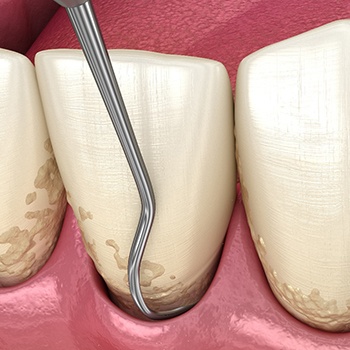
This procedure is done in stages and typically requires at least two appointments to complete. First, our team will examine your mouth to determine whether scaling and root planning is the best solution. If you’re a good candidate, we’ll proceed by numbing your mouth with a local anesthetic and/or offering sedation.
Then, we’ll use specialized dental instruments to gently remove even the most stubborn plaque and tartar buildup from your teeth and along your gumline. We will reach deeply into the pockets of your connective tissues so no germs remain hidden there.
Then, after your tissues have a chance to recover, you’ll have another procedure to gently smooth the enamel over the roots of your teeth. This prevents additional deposits from forming and encourages your tissues to reconnect.
Aftercare Tips for Scaling & Root Planing
Our team will provide appropriate aftercare instructions intended to help you recover as quickly as possible while avoiding a repeat infection. It’s normal to feel sore or sensitive, and you might also notice some additional bleeding while the tissues continue to heal.
We might recommend that you avoid eating anything for a couple of hours to avoid accidentally biting your tongue or cheek if you’ve been numbed or sedated. At home, you can rinse your mouth with salt water to keep it clean and reduce associated swelling or sensitivity. It’s often also safe to take over-the-counter medications, like acetaminophen or ibuprofen, to address discomfort. We may provide additional instructions for when it’s safe to resume brushing and flossing normally.
Laser Periodontal Treatment
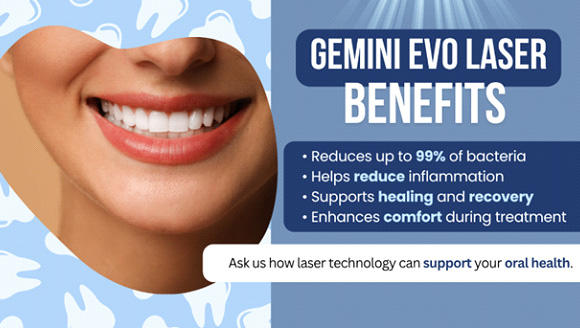
Another option we have for treating gum disease is with a soft tissue laser. The DEKA CO2 laser is used to essentially "steam clean" the gums and tackle bacteria stuck in the gums. While our instruments can remove debris from the tooth, there is still bacteria in the gums, which is removed with our laser therapy. What does that mean? It means the procedure itself is practically painless, and your recovery time will be extremely short. It truly is one of the most patient-friendly ways to treat gum disease.
I Need a Checkup & Cleaning I Need Help with a Lip and/or Tongue-Tie I Have a Cavity or Broken Tooth I am Missing One or More Teeth I Want to Enhance My Smile I Want a Straighter Smile I Have Jaw Pain I am Scared of the Dentist I'm Having Trouble Sleeping I Have a Dental Emergency View Our Services